India’s Food Price Shock: Why Essentials Are Becoming Unaffordable for Millions

India food price inflation
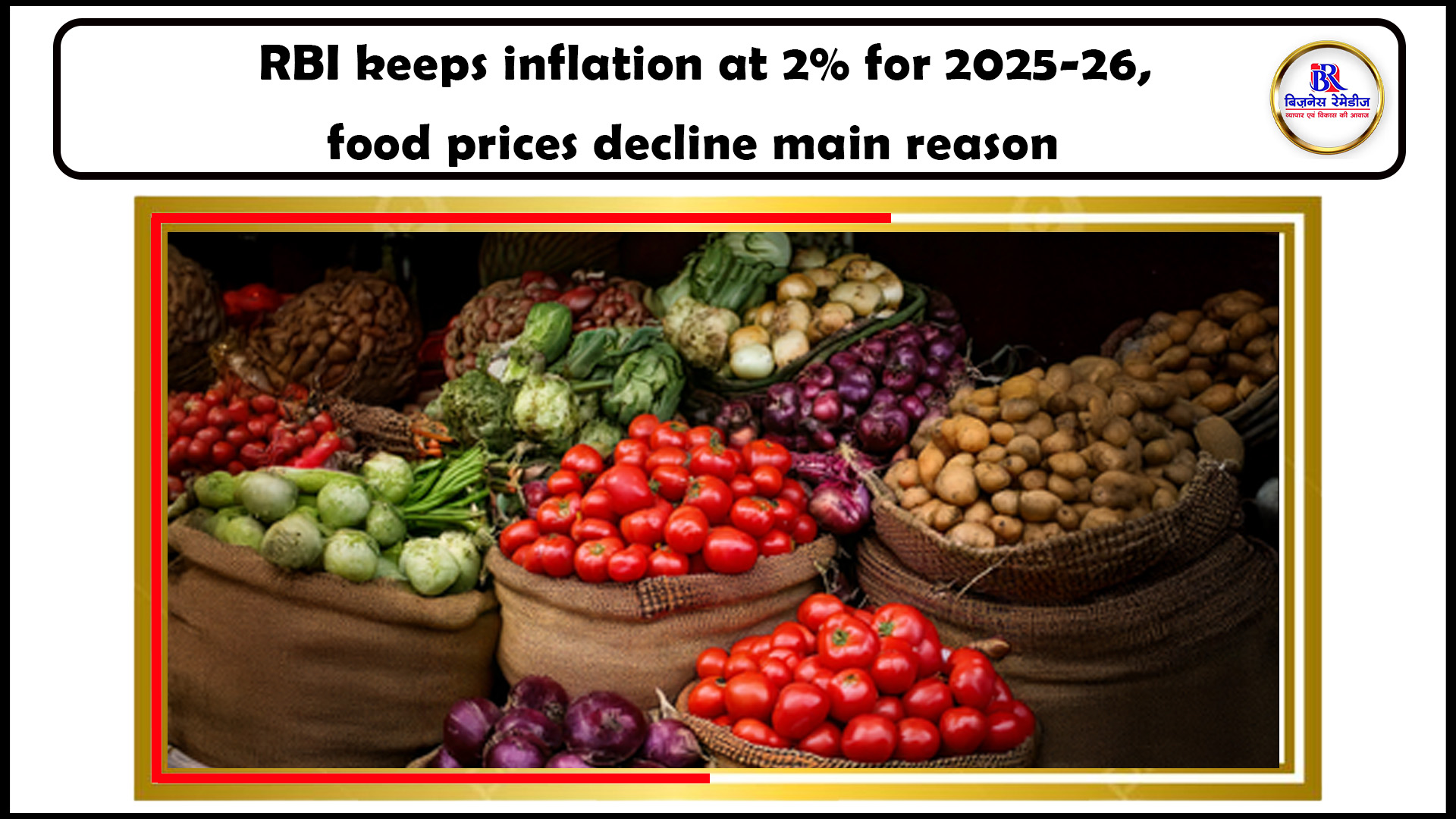
Across India this week, the price of tomatoes, onions, pulses, wheat flour, rice, and edible oil has surged again—triggering a wave of frustration from households already pushed to the edge.
But behind the chaos of rising bills lies a deeper system truth: India’s food price inflation is not a sudden spike. It is a predictable crisis created by fragile supply chains, weak market regulation, and years of policy shortcuts.
The inflation numbers describe an economy.
The lived experiences describe a country struggling to survive it.
When Food Turns into a Monthly Crisis
In a crowded Kolkata bazaar, 35-year-old domestic worker Sharmila stares at the vendor’s price board:
Tomatoes ₹72/kg.
Onions ₹55/kg.
Arhar dal ₹155/kg.
Her monthly budget didn’t increase.
The prices did.
She buys half of what she planned, then whispers, “We now eat less—not because we want to, but because we have to.”
H2: India food price inflation reveals broken supply systems
Multiple structural failures keep driving the crisis:
1. Over-dependence on a few producing states
When one region faces drought, heatwave, or crop disease, national prices shoot up. India’s food supply network lacks diversification.
2. Weak cold-storage and transport infrastructure
Over 25–30% of fruits and vegetables are lost before reaching markets (NITI Aayog estimate).
Loss becomes shortage. Shortage becomes inflation.
3. Middlemen-driven price setting
APMC market chains allow price spikes long before produce reaches retail shops.
Farmers earn little more; consumers pay a lot more.
4. Slow response to climate volatility
Repeated heatwaves and erratic monsoons reduce yields—but crop insurance, irrigation support, and adaptation programs remain limited.
5. Import decisions that come too late
Governments announce imports only after prices rise steeply, not before.
India’s food inflation is not a mystery.
It is a management problem.
The Numbers Behind the Pain
- India’s food inflation crossed 7–10% in several states this month (based on CPI data trends).
- Prices of essential vegetables rose 15–45% year-on-year.
- Pulses inflation touched over 20% in some markets.
- Rural households spend over 50% of income on food, making inflation a direct attack on survival.
The data shows the trend.
The poor feel the consequences.
Voices From India’s Markets
A vegetable seller in Mumbai said:
“People argue with us every day. They think we are making a profit, but our own margins are shrinking.”
A mother in Patna shared:
“I used to cook dal every day. Now, only three times a week. Children don’t understand why.”
For millions of Indians, inflation is not economic jargon.
It is the difference between a full plate and a compromised one.
Why This Matters
Food is the most basic element of dignity.
When India’s food price inflation keeps rising, inequality deepens, nutrition declines, and children’s health suffers long before policy makers release statements.
The system is breaking where it should protect the most.
What India Must Fix Now
- Build real-time price monitoring with public dashboards
- Expand cold-chain and storage infrastructure nationwide
- Strengthen crop insurance and climate resilience programs
- Reform APMC markets and enforce anti-cartel rules
- Trigger automatic import/stock-release mechanisms when shortages start
- Provide targeted food security relief for low-income households
India does not lack food production.
It lacks food system stability.
Conclusion
India’s food price inflation is not just about expensive vegetables—it is about the silent struggle of millions whose budgets no longer match their basic needs.
Until the nation redesigns its supply chains and institutions, inflation will keep eating into the lives of those who already have the least.
About the Author