India’s Air Pollution Emergency: Toxic Skies and the Cost Paid by the Poor — TruthWave.in


India’s major cities wake up each winter under thick blankets of smog—deadly, choking, and unavoidable. But beyond headlines on Delhi’s AQI and seasonal pollution debates lies a much deeper truth: air pollution in India is a year-round, nationwide public health emergency, and its burden falls overwhelmingly on the poor.
The data is staggering. According to the Lancet Commission, 1.7 million Indians die prematurely every year due to polluted air. India is home to 14 of the world’s 20 most polluted cities. Toxic air seeps into homes, schools, markets, and factories, quietly weakening lungs, hearts, and futures.
India speaks confidently about becoming a five-trillion-dollar economy. But how can a nation grow when its citizens cannot breathe safely?
The Constitutional Perspective: Clean Air Is No Longer Optional
The Supreme Court has consistently held that the Right to Life under Article 21 includes the right to clean air and a safe environment. Yet millions inhale particulate matter levels far above WHO guidelines.
Article 47 obligates the State to improve public health.
Article 48A mandates the protection of the environment.
Despite these guarantees, polluted air remains an unavoidable reality for low-income households forced to live in congested neighborhoods near industrial zones, landfills, and high-traffic corridors.
Environmental justice remains a promise—rarely a practice.
Who Suffers the Most Under Poisoned Skies

Air pollution in India is not an equal crisis. The wealthy escape into air purifiers and gated communities. The poor inhale danger every day.
The hardest hit include:
- Daily wage workers exposed to traffic fumes
- Children living near industrial clusters
- Elderly without healthcare access
- Women cooking with biomass in poorly ventilated homes
- Informal workers cycling or walking long distances
- Slum residents living beside landfills and smoke-emitting sites
The poor breathe the worst air but have the least ability to protect themselves.
A Human Story Behind the Smog
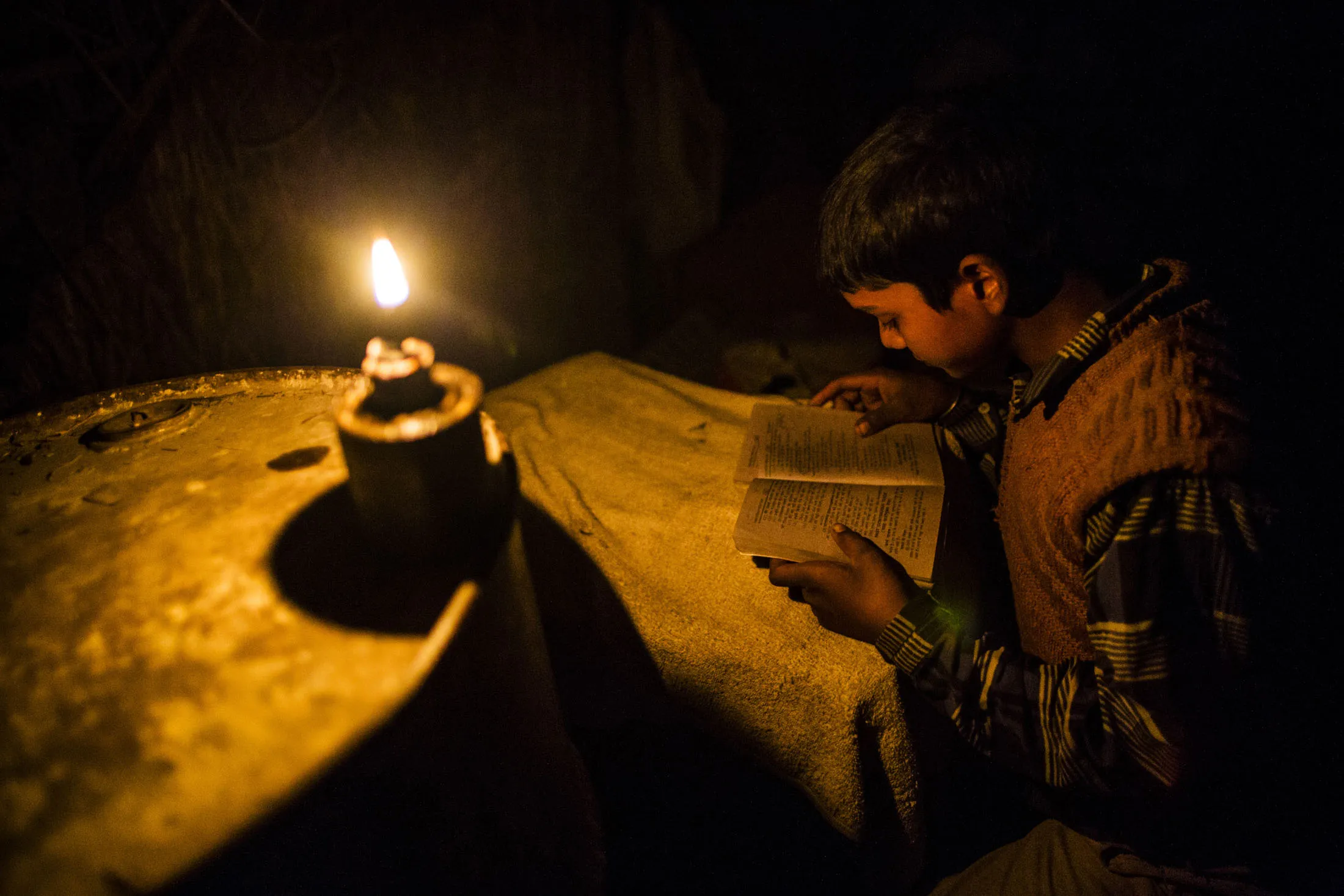
In Mumbai’s Mankhurd industrial belt, 10-year-old Ayaan coughs through most nights. His mother, a housekeeper, earns ₹8,000 a month—barely enough for food, let alone medical bills.
“We know the air is bad,” she says, “but where else can we go?”
Her question is shared by millions trapped in polluted spaces by poverty, not choice.
What Experts Warn
The Indian Council of Medical Research (ICMR) states that long-term exposure to particulate matter increases risks of heart disease, asthma, lung infections, and low birth weight.
The World Bank estimates pollution costs India over 6 percent of its GDP through health costs and lost productivity.
Globally, cities like Beijing and Mexico City have reduced pollution through aggressive action. India’s challenge is larger—but so is the cost of inaction.
Why India’s Air Remains Dirty
- Vehicular emissions rising faster than infrastructure
- Crop residue burning without viable alternatives
- Unregulated industrial pollution
- Construction dust
- Poor waste management and landfill fires
- Lack of strong enforcement of air quality laws
- Limited awareness in low-income communities
- Urban planning that prioritizes vehicles over people
This crisis is not caused by winter. It is caused by weak systems, poor planning, and insufficient accountability.
What India Must Do (Constitutional & Practical Solutions)
- Strengthen clean fuel adoption in rural and urban households
- Implement strict industrial emission monitoring
- Expand electric public transport nationwide
- Create green buffers around residential zones
- Enforce construction dust regulations
- Improve waste segregation to stop landfill fires
- Provide health screenings in high-risk low-income communities
- Increase State budgets for air quality monitoring
- Phase out old vehicles through incentives
Clean air is not a luxury. It is a constitutional necessity.
About the Author