China Fuel Prices Rise From September 12: Government Caps Increase as Oil Costs Surge
By idmahamad sekh
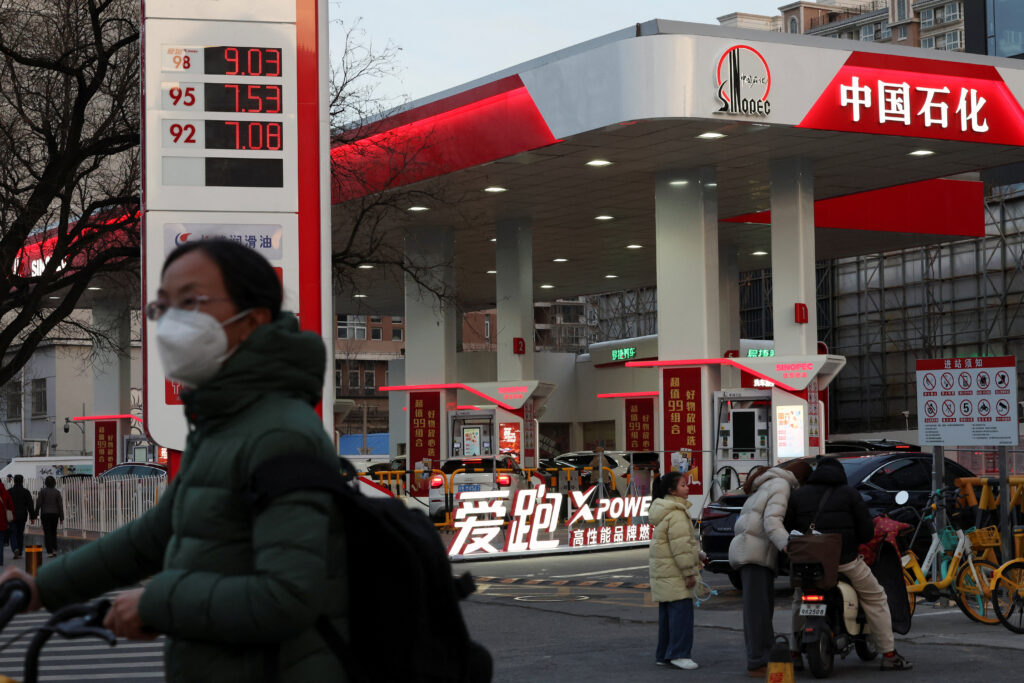
China’s fuel prices are rising again, but the increase has been deliberately capped. A September 11 decision means higher retail gasoline and diesel prices will take effect from September 12, as authorities try to reduce the domestic impact of the global oil shock.
What changes from September 12?
Beijing’s municipal development and reform authority said the maximum retail prices for gasoline and diesel will rise from 24:00 on September 11. The increase is 260 yuan per tonne for gasoline and 250 yuan per tonne for diesel. The Beijing notice also gives pump-level examples: 92-octane gasoline rises from 8.09 yuan to 8.29 yuan per litre, while 0 diesel rises from 7.81 yuan to 8.02 yuan per litre.
Reuters reported that under China’s normal pricing mechanism the increases would have been larger, at 435 yuan for gasoline and 420 yuan for diesel. The government therefore continues to use price controls to soften the immediate impact of higher international oil prices.
Why is China controlling the increase?
China’s fuel-price system is linked to international crude prices. The latest adjustment comes amid a sharp rise in global oil prices and disruption to energy flows. Earlier this year, China’s National Development and Reform Commission also used temporary control measures when international oil prices surged, directing major refiners to maintain supply and ordering stronger market supervision.
What does this mean for consumers?
- Petrol and diesel will become more expensive from September 12.
- The increase is smaller than the rise that would have resulted from the standard formula.
- Transport and logistics costs remain sensitive to further oil-price moves.
- Consumers and businesses should expect continued volatility while global supply conditions remain uncertain.
Why this matters beyond China
China is one of the world’s largest oil consumers, so domestic fuel-price policy can affect demand, refinery economics and regional energy markets. Reuters reported that global oil prices have been pushed higher by disruptions linked to the Middle East conflict, while the International Energy Agency has warned that supply losses could remain significant.
Read more on TruthWave
BRICS finance chiefs push IMF reform and faster cross-border payments
US H-1B grace-period proposal: what workers need to know
Sources
Beijing Municipal Development and Reform Commission; Reuters; China National Development and Reform Commission background on fuel-price controls.
Fact-check: The September 12 price change was checked against an official Beijing government notice dated September 11, 2026 and independently cross-checked with Reuters.
Disclaimer: Local pump prices can vary within the permitted ceiling. This article explains the policy change and is not financial or investment advice.
Leave a Reply