

TruthWave Level-5 Public Investigation | Block 23 of 25
Transparency Reforms and Institutional Resistance
SUMMARY
Transparency is widely acknowledged as essential to electoral credibility. Yet reforms that increase openness inside election institutions often face resistance—not because transparency is rejected, but because it alters internal power dynamics and administrative comfort. Block 23 examines why transparency reforms within India’s election system advance slowly despite repeated public and judicial endorsement.
INTRODUCTION — TRANSPARENCY IS NOT JUST A VALUE
Transparency is often described as a democratic principle.
In practice, it is also an operational change that affects:
- Decision-making discretion
- Internal hierarchy
- Administrative exposure
For institutions accustomed to confidentiality, increased transparency can feel disruptive. This block investigates why openness encounters institutional friction, even when its benefits are acknowledged.
WHAT TRANSPARENCY REFORMS TYPICALLY DEMAND
In election administration, transparency reforms usually involve:
- Disclosure of decision rationales
- Clear timelines for enforcement actions
- Public explanation of prioritisation
- Access to audit and verification processes
These measures increase public confidence—but also reduce internal flexibility.
THE STRUCTURAL SOURCE OF RESISTANCE
Institutional resistance rarely takes the form of outright refusal.
More commonly, it appears as:
- Procedural caution
- Incremental disclosure
- Preference for technical communication over public explanation
This slows reform without rejecting it.
INFORMATION AS INSTITUTIONAL CONTROL
Within large organisations, information control:
- Preserves internal authority
- Limits external scrutiny
- Reduces risk of misinterpretation
Transparency redistributes that control outward—often creating discomfort.
LEGAL VS ADMINISTRATIVE TRANSPARENCY
Courts have repeatedly emphasised transparency as a democratic requirement.
However:
- Legal transparency focuses on compliance
- Administrative transparency requires cultural change
The former can be ordered.
The latter must be internalised.
Verification source:
Supreme Court of India
https://main.sci.gov.in
TECHNOLOGY AND SELECTIVE OPENNESS
Digital systems increase efficiency, but transparency often lags:
- Technical details are disclosed without context
- Verification processes are explained narrowly
- Public understanding remains limited
This creates formal openness without practical clarity.
Verification source:
Election Commission of India
https://eci.gov.in
COMPARATIVE DEMOCRATIC EXPERIENCE
Global election bodies increasingly adopt:
- Open data portals
- Independent audits
- Regular public briefings
Comparative studies show transparency reforms succeed when paired with institutional incentives, not just mandates.
Verification source:
International IDEA – Transparency in Election Management
https://www.idea.int
PEOPLE’S IMPACT
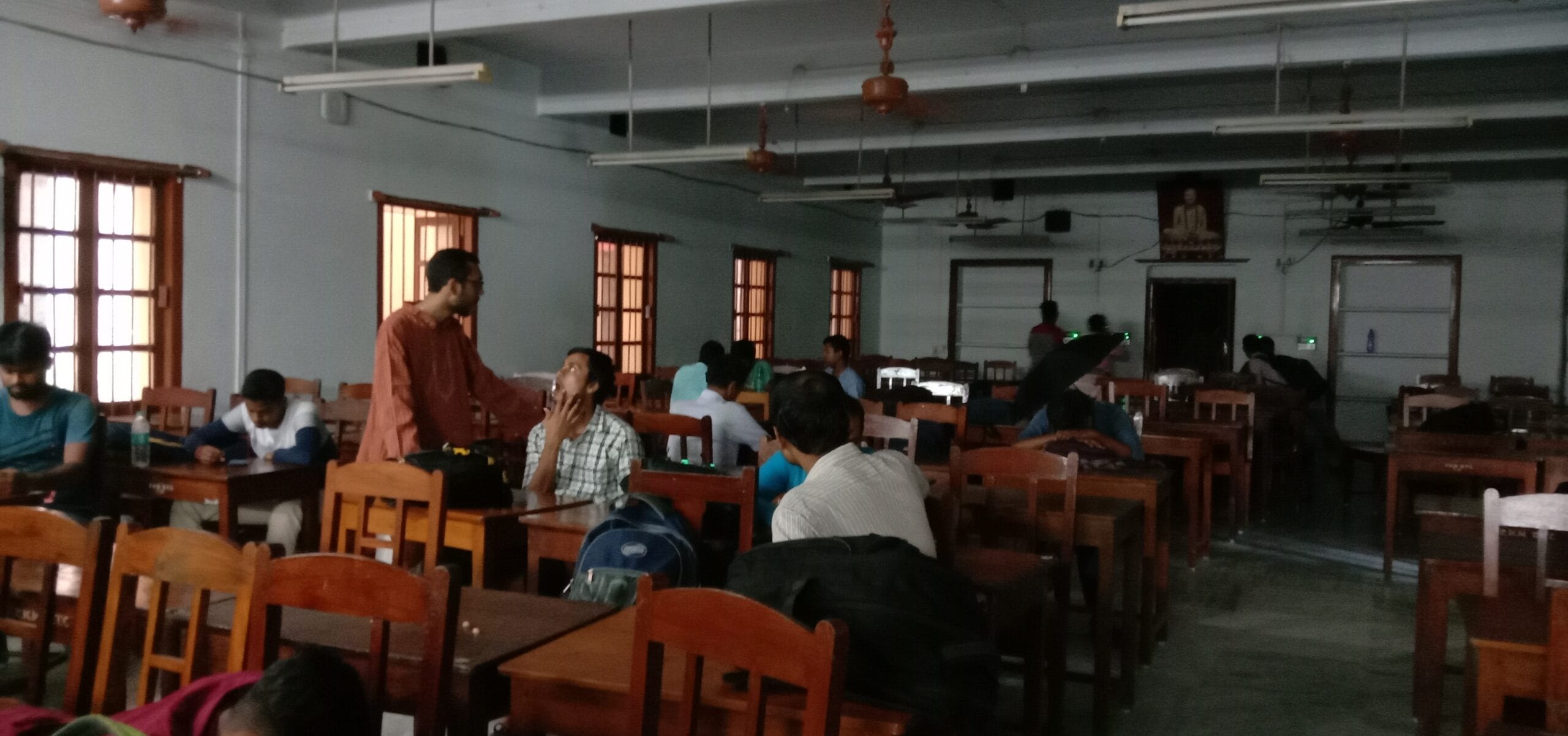
A university student who volunteered during elections described the gap:
“We’re told the system is transparent, but we don’t see how decisions are reached.”
This reflects expectation mismatch, not hostility.
WHAT THIS DOES NOT CLAIM
This investigation does not claim secrecy or wrongdoing.
It examines how institutional habits slow transparency, even in lawful systems.
WHY THIS MATTERS
Transparency builds trust only when it is understandable.
When openness is partial or technical, suspicion persists—not because information is hidden, but because meaning is unclear.
TRUTHWAVE FINDING
Transparency reform in India’s election system advances slowly because it challenges internal comfort zones, not democratic values.
Lasting openness requires cultural change—not just legal direction.
For background on how internal accountability limits transparency, see TruthWave Block 22: Internal Checks and Their Limits.
LEGAL-SAFETY NOTE
This investigation examines institutional systems and publicly available data. It does not allege individual wrongdoing.
Continue to Block 24:
What real reform would require—and why it remains difficult.