INVESTIGATION: Abhayrab Rabies Vaccine Warning: What Batch KE25012 Means for Patients, Pharmacies and Regulators
By idmahamad sekh
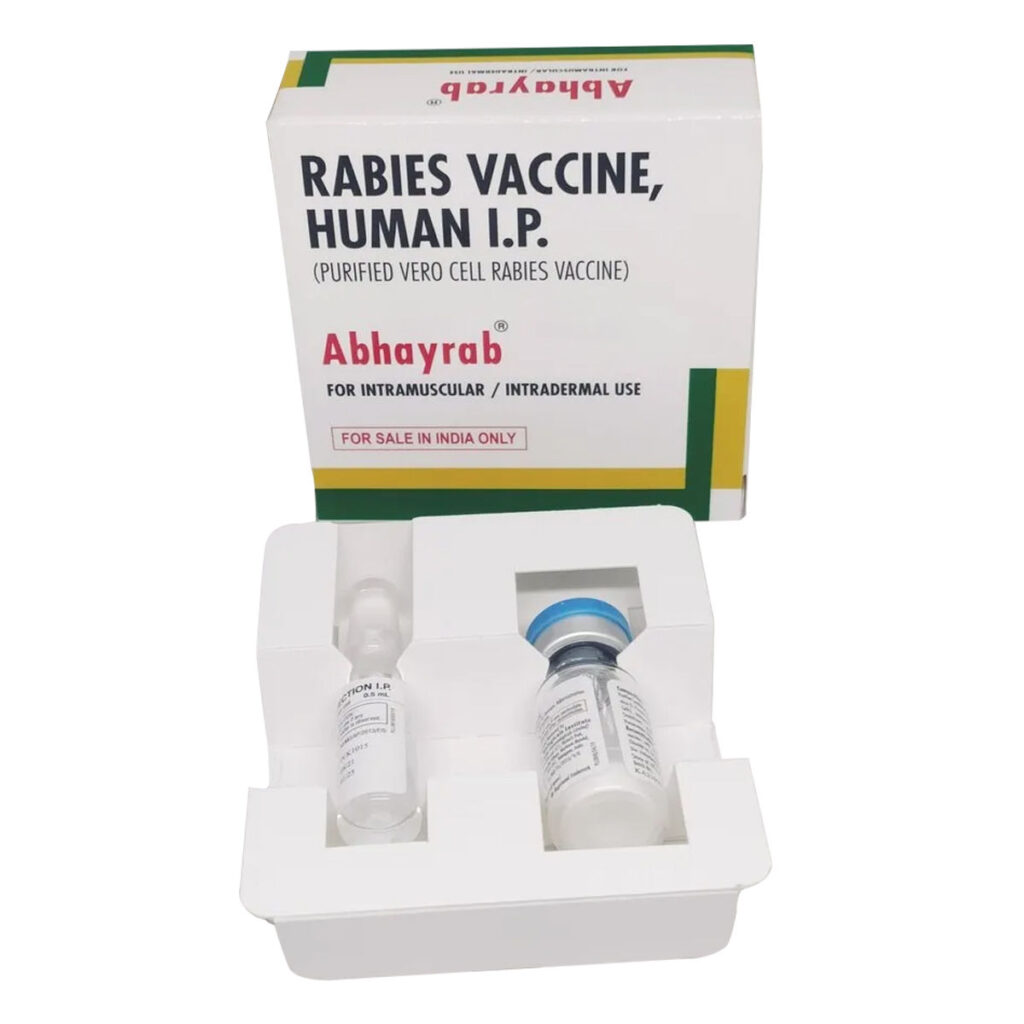
NEW DELHI | September 6, 2026 — India’s drug regulator has warned state authorities about a specific batch of the Abhayrab rabies vaccine after a field sample failed a potency test and was classified as Not of Standard Quality. The manufacturer, Indian Immunologicals Ltd (IIL), says the seized vials were not manufactured by the company, adding a second layer to the investigation: regulators are examining whether the product is potentially spurious or counterfeit.
The batch under scrutiny is KE25012. The vials were seized from an unlicensed premises in Delhi. Reporting based on the regulator’s communication says the samples showed discrepancies in labelling and packaging, including differences in the company logo, text and spacing, QR-code details and other physical characteristics.
What has actually been confirmed
- The Central Drugs Standard Control Organisation (CDSCO) has flagged batch KE25012 as not of standard quality after a potency test failure.
- The sampled vials were seized from an unlicensed Delhi premises.
- Indian Immunologicals says the seized vials do not match its genuine batch records and were not manufactured by the company.
- CDSCO has asked state drug-control authorities to maintain vigilance over the movement, distribution and availability of the batch.
- Four people have been arrested in connection with the case, according to reporting on the investigation.
These points matter because a regulator finding about one identified batch should not automatically be interpreted as a finding that every Abhayrab dose in circulation is unsafe. The investigation is specifically focused on the flagged batch and the authenticity of the seized product.
Why the potency test matters
Rabies vaccination is used both before exposure for certain high-risk groups and after a suspected exposure. Indian Immunologicals’ product information describes Abhayrab as a purified, inactivated rabies vaccine and sets out its use in post-exposure treatment.
A failed potency test is therefore a serious quality signal. It does not, by itself, establish how many doses may have reached patients or whether every vial carrying the same printed batch number is counterfeit. Those questions require traceability work, laboratory findings and enforcement action.
Why the manufacturer’s denial is important
IIL says the seized product was not made by it and that investigators found multiple differences between the seized material and its official reference records. That distinction is crucial. If the seized vials are counterfeit, the core problem is not simply a manufacturing defect inside an authorised production line. It is a supply-chain and medicine-authentication failure.
IIL’s official product information identifies Abhayrab as a purified, inactivated rabies vaccine. The company’s published product material also describes storage and administration requirements. Those documents can help regulators and legitimate distributors compare suspect stock against authorised product characteristics.
What pharmacies and distributors should do
The regulator’s warning places responsibility on the supply chain to identify and isolate suspect stock. Pharmacies and distributors should follow instructions from their state drug-control authority and their authorised suppliers rather than relying on informal social-media lists or photographs of packaging.
Batch numbers, invoices, distributor records and product traceability are especially important in an investigation like this because they can establish where a suspect vial entered the chain and how far it travelled.
What patients should and should not assume
Patients should not assume that every Abhayrab vial is counterfeit merely because a counterfeit or potentially spurious batch has been identified. At the same time, a patient who has concerns about a vaccine dose should not try to resolve the question by guessing from a photograph or changing a medical treatment schedule without professional advice.
For anyone who has recently received or is due to receive rabies post-exposure treatment and is worried about the authenticity of a dose, the appropriate route is to speak promptly with the treating healthcare professional or the relevant public-health authority and provide the vaccine name, batch number, date of administration and the facility where it was given.
This is not the first Abhayrab authenticity concern
The current investigation follows an earlier counterfeit-Abhayrab episode that drew international regulatory attention in 2025. Reuters reported that the latest incident is the second such concern involving Abhayrab in less than two years.
The recurrence makes traceability more than a paperwork issue. For a medicine used in post-exposure protection against a disease that is almost invariably fatal once clinical symptoms develop, regulators need to be able to identify suspect stock quickly and distinguish legitimate product from counterfeit supply.
The unanswered questions
- How many vials carrying batch KE25012 entered the supply chain?
- Were any suspect doses administered to patients?
- Where did the seized product originate, and how was it distributed?
- How closely do other samples carrying the same batch number match authorised records?
- What additional enforcement action will follow the investigation?
Until those questions are answered, the most accurate description is a regulatory and law-enforcement investigation into a suspect batch, not proof that all Abhayrab vaccines are unsafe.
Sources and verification
TruthWave cross-checked the reported regulatory findings against independent reporting and the manufacturer’s published product information.
- The Indian Express: CDSCO warning on the suspect Abhayrab batch
- Reuters: regulator flags batch as substandard and potentially spurious
- Indian Immunologicals: official Abhayrab product information
- Indian Immunologicals: Abhayrab product characteristics PDF
TruthWave note: This article distinguishes confirmed regulatory findings from allegations and unresolved questions. It is not a substitute for medical advice.
Related TruthWave reporting: our investigation into food-safety enforcement in Bengaluru and our investigation into fake GST registrations and identity misuse.
Leave a Reply