Nepal Flood Disaster: Death Toll Hits 903 as 4,247 Remain Missing
By idmahamad sekh
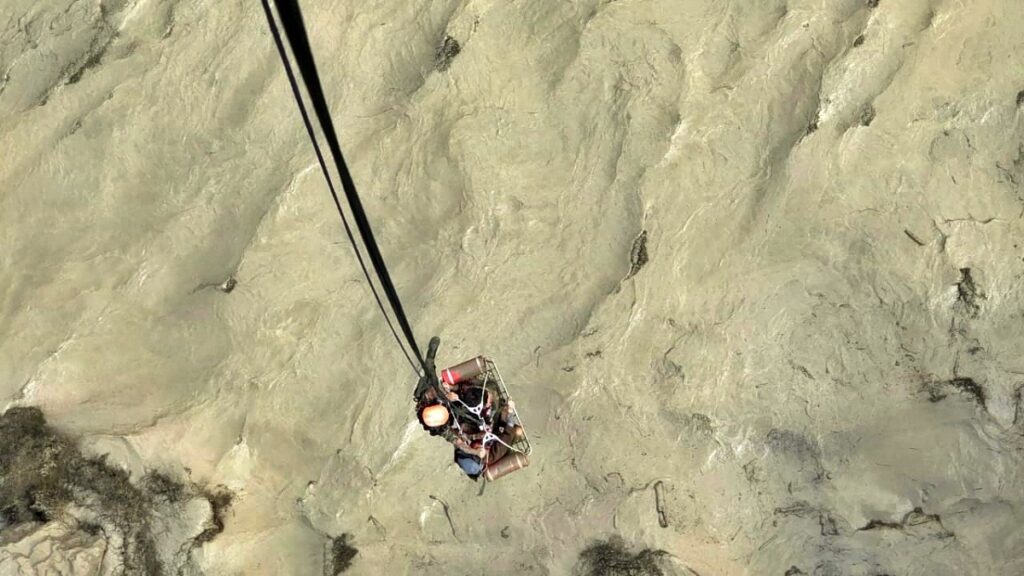
KATHMANDU, August 31, 2026: Nepal’s devastating Bhotekoshi and Trishuli flood disaster has entered a critical rescue phase, with the National Disaster Risk Reduction and Management Authority (NDRRMA) reporting 903 deaths and 4,247 people still missing in its latest update issued Monday morning.
The official figures are substantially higher than the previous government update of August 30, when 734 bodies had been recovered and 2,498 people were unaccounted for. Nepal’s Foreign Ministry has urged media and the public to rely on verified figures as search and identification operations continue.
Rescue teams race to reach hydropower workers
The disaster struck on August 26 after a catastrophic mountain event sent water, ice, rock and debris through river valleys near the Nepal-China border. The flooding damaged settlements, roads, bridges and hydropower infrastructure across several districts.
Reuters reported on August 31 that rescue teams from Nepal, India and China are searching for hundreds of people believed to be trapped inside hydropower-project tunnels blocked by mud and rock. Nepal has mobilised more than 20,000 security personnel for search, rescue and relief operations.
The NDRRMA’s latest figures include 933 hydropower-project workers among those reported missing. The number is still subject to verification as teams reach previously inaccessible areas.
903 dead, thousands still missing
Nepal’s latest official update says 903 bodies have been recovered and 267 people have been injured. More than 10,000 people have been rescued, while helicopter operations continue to evacuate people from isolated and dangerous areas.
The missing include Nepalese citizens, foreign nationals and government and security personnel. Chinese authorities have separately reported 16 deaths and 546 missing people in Tibet, bringing the reported cross-border death toll to 919.
India and China assist the rescue operation
India has provided specialised forensic and tunnel-rescue assistance, while China has deployed rescue personnel and equipment. International cooperation has become increasingly important as unstable terrain, continuing weather threats and blocked access routes slow the operation.
India is also directly affected by the disaster because Indian nationals were among those reported missing or stranded in Nepal. Indian authorities have been coordinating evacuations, forensic identification and relief assistance with Kathmandu.
Why the situation remains dangerous
Rescuers face more than the original flood. Debris-blocked rivers and unstable slopes can produce secondary flooding and landslides, while damaged infrastructure makes access difficult. Reuters reported that more than 90,000 people have been affected and warned that further hazards remain possible.
Scientists and disaster experts have linked the wider risk to instability in the high Himalayas, while cautioning that the precise trigger and the contribution of climate change require careful scientific assessment.
What TruthWave is watching
- Changes in the official death and missing-person figures.
- Progress in reaching workers trapped inside hydropower tunnels.
- Fresh flood, landslide or barrier-lake warnings.
- The identification and repatriation of foreign nationals.
- Damage to hydropower, roads, bridges and other critical infrastructure.
- India’s continuing rescue, forensic and humanitarian assistance.
Sources
Nepal Ministry of Foreign Affairs; Reuters, August 31, 2026; Xinhua, August 31, 2026.
Leave a Reply