




Why Indian Cities Are Running Out of Water — Explained for India and the World
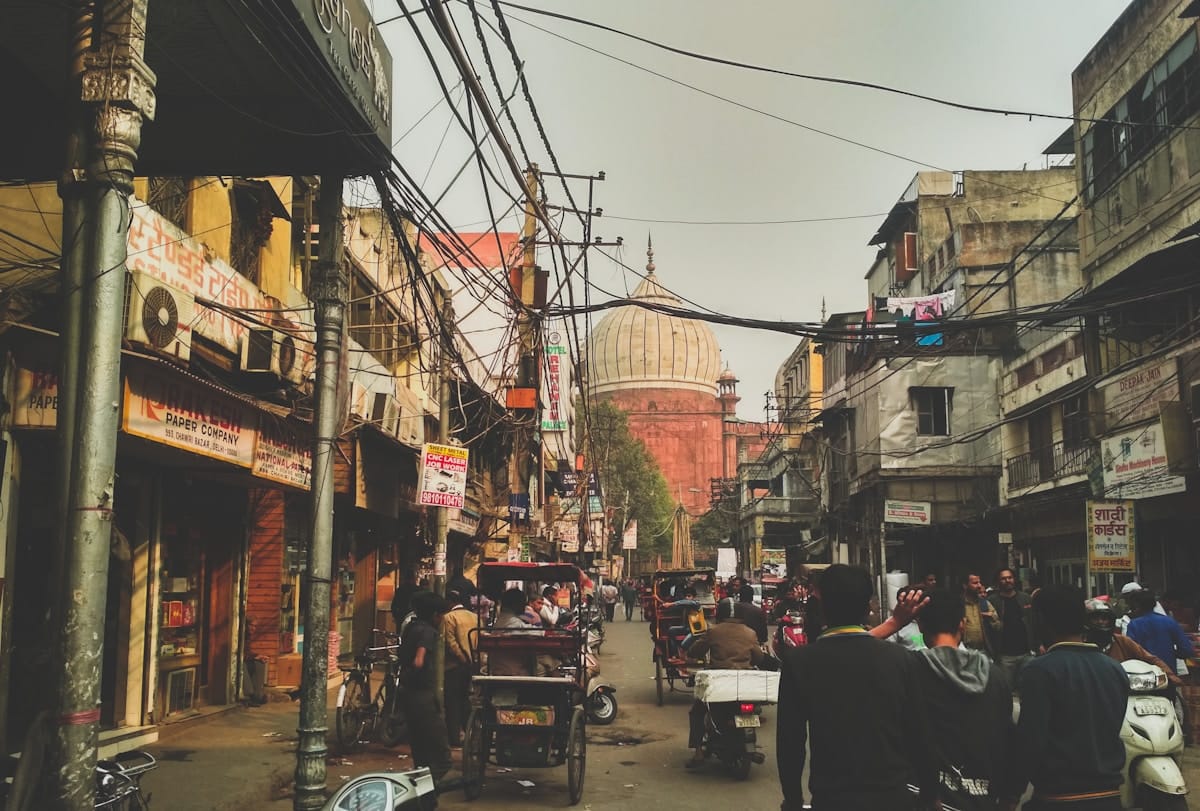
At 4 a.m. in Chennai, Ramesh, an auto driver, waits beside a public tap with two plastic buckets. If tanker water arrives late, his family of five cuts back on cooking, bathing, and basic hygiene. This routine repeats every summer.
This is no longer an individual hardship.
It is a structural failure affecting millions across India’s cities.
From Bengaluru to Delhi, from Hyderabad to Chennai, urban India is facing chronic water shortages. The question is no longer if cities will run out of water, but why Indian cities are running out of water despite adequate rainfall.
India’s Water Crisis Is a Governance Failure
India receives substantial annual rainfall compared to many water-stressed countries. Yet most Indian cities depend heavily on groundwater, extracted through borewells with weak regulation.
According to the Central Ground Water Board, several urban regions are already extracting more groundwater than is naturally replenished each year. Once depleted, urban aquifers can take decades to recover.
Verified source:
Central Ground Water Board – National Aquifer Mapping
https://www.cgwb.gov.in/AQM/NAQUIM.html
The World Bank has repeatedly warned that India is among the most water-stressed countries globally due to poor water governance rather than absolute scarcity.
Verified source:
World Bank – Water in India: Situation and Prospects
https://www.worldbank.org/en/country/india/brief/water-in-india
How Cities Became Dependent on Water Tankers
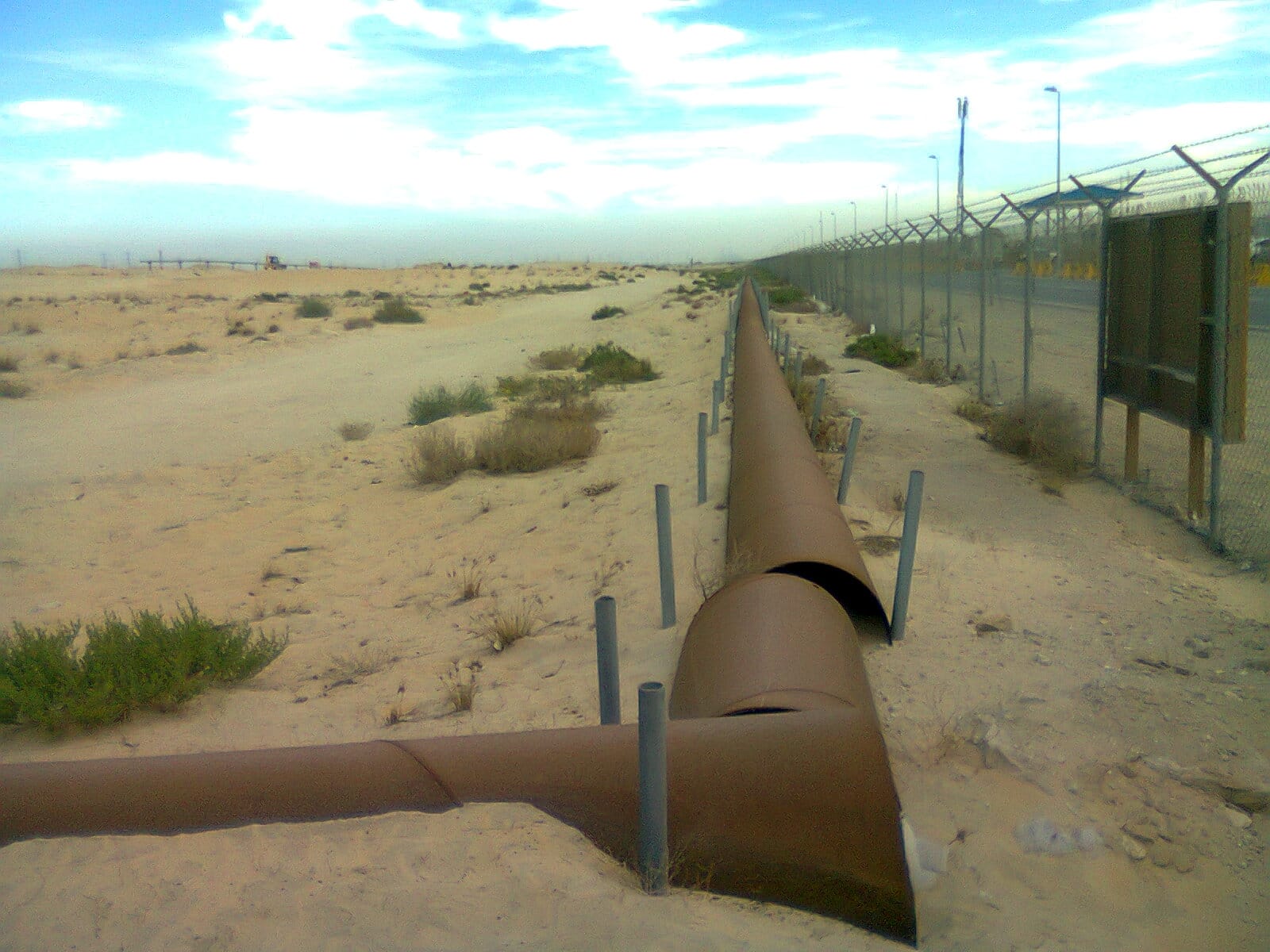
When municipal pipelines fail to supply consistent water, tanker supply fills the gap. What began as an emergency measure has evolved into a parallel urban water economy.
Tanker operators often extract water from peri-urban or rural areas, sometimes from illegal borewells, and sell it at prices unaffordable for low-income households. Regulation remains fragmented across states and municipalities.
Poorer neighbourhoods pay the highest prices per litre, while affluent housing societies rely on private borewells—accelerating groundwater collapse.
Internal link (TruthWave):
How the Water Tanker Business Works in Indian Cities
https://truthwave.in/how-water-tanker-business-works-india/
Urban Planning Without Water Planning
One of the main reasons Indian cities are running out of water is urban planning that ignores water availability.
Housing projects are routinely approved without long-term water sustainability assessments. Lakes and wetlands—natural groundwater recharge systems—have been encroached upon or destroyed.
The NITI Aayog’s Composite Water Management Index has warned that several major Indian cities could face severe water shortages if current practices continue.
Verified source:
NITI Aayog – Composite Water Management Index
https://www.niti.gov.in/composite-water-management-index
Rainwater harvesting laws exist in many states, but enforcement remains weak. Wastewater reuse—which could supply a significant share of urban demand—is still limited.
Who Pays the Highest Price
Water scarcity in Indian cities deepens inequality.
- Women spend hours collecting water
- Children miss school during peak shortages
- Low-income households spend a larger share of income on tanker water
- Health risks rise due to poor sanitation
Meanwhile, wealthier communities delay the crisis by drilling deeper borewells—until aquifers collapse entirely.
This pattern mirrors broader public service failures already documented by TruthWave.
Internal link (TruthWave):
How India’s Public Services Are Failing Urban Citizens
https://truthwave.in/india-public-services-collapse/
Global Context: Other Cities Faced This—and Acted
India is not alone. Cities such as Cape Town, Mexico City, and São Paulo have faced near-total water collapse.
The difference lies in response.
Cape Town introduced strict demand controls, transparent water data, and large-scale reuse infrastructure during its crisis. Mexico City is investing in aquifer recharge and rainwater capture.
Verified sources:
World Bank – Lessons from Cape Town’s Water Crisis
https://www.worldbank.org/en/news/feature/2019/03/21/lessons-from-cape-towns-water-crisis
OECD – Urban Water Governance
https://www.oecd.org/water/governance/
Indian cities, by contrast, rely heavily on short-term tanker supply and delayed reforms.
Why This Matters Beyond India
India’s cities power its economy. Water scarcity threatens productivity, public health, and social stability.
In a warming world, urban water failure in India carries global consequences—through climate migration, supply chain disruption, and rising inequality.
What is unfolding in India today is a warning for rapidly urbanising regions worldwide.
The System Choice Ahead
India’s urban water crisis is not inevitable.
It is the result of policy failure, weak regulation, and neglect of natural systems.
Without:
- Enforced groundwater regulation
- Water-linked urban planning
- Protection of lakes and wetlands
- Investment in reuse and conservation
Cities will remain trapped in permanent scarcity.
Water is not disappearing.
Governance is.

Comments on “Why Indian Cities Are Running Out of Water | TruthWave”
Comments are closed.