India’s Freight Network Gets a Major Boost as 326 km of Western Dedicated Freight Corridor Opens
By idmahamad sekh
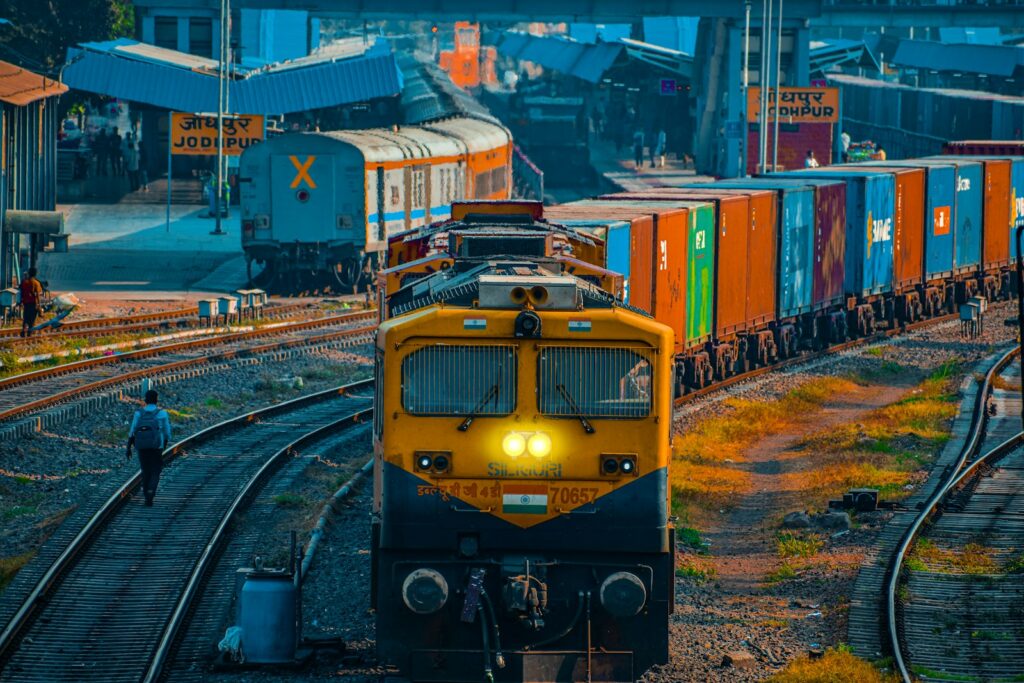
India has taken another major step in reshaping its freight network. On September 8, 2026, Prime Minister Narendra Modi dedicated three sections of the Western Dedicated Freight Corridor (WDFC) covering 326 route kilometres, part of a broader infrastructure package worth more than ₹35,000 crore in Gujarat.
Why the 326 km matters
The three WDFC sections are Sanand (North)-Makarpura, New Umbergaon-New Safale and New Safale-JNPT. The Union government says the sections were developed at a cost of more than ₹20,700 crore. Direct connectivity to Jawaharlal Nehru Port Authority is intended to speed import-export cargo movement, strengthen links between industrial centres and ports, reduce logistics costs and ease pressure on Mumbai’s rail network.
This is more than a railway project
Dedicated freight infrastructure separates much of the movement of heavy cargo from passenger operations. That can create additional capacity and improve the reliability of freight movement, especially along industrial and port corridors.
The Gujarat package also includes new railway capacity, national highway works and state projects. The Prime Minister’s Office says the day’s programme includes railway projects totaling 329 km and highway projects worth about ₹1,780 crore, alongside Gujarat government projects of around ₹2,600 crore.
The logistics question
India’s manufacturing and export ambitions depend not only on factories but on the cost and predictability of moving goods. Better freight links can matter for ports, industrial clusters, exporters, retailers and consumers if the resulting capacity is used efficiently.
The important test now is measurable performance: freight volumes, transit times, reliability, port connectivity and whether logistics costs actually fall for businesses. Infrastructure spending creates capacity; the economic payoff depends on how effectively that capacity is used.
What TruthWave will watch
- Freight volumes moving through the newly commissioned WDFC sections.
- Changes in cargo transit times between industrial centres and JNPT.
- Whether additional rail capacity reduces congestion on mixed passenger-freight routes.
- The effect on logistics costs for exporters and domestic manufacturers.
- How quickly connected road and rail projects become operational as a wider network.
TruthWave assessment: The 326 km commissioning is significant because it strengthens a network rather than simply adding an isolated railway asset. The real measure of success will be whether businesses experience faster, more predictable and cheaper movement of goods over the coming months.
Sources
Prime Minister’s Office: Gujarat and Maharashtra visit, September 8, 2026 · Financial Express: Gujarat connectivity package
Featured image: Anirudh/Unsplash.
Leave a Reply