India’s Population Story Is Changing: What Census 2027 Could Reveal
By idmahamad sekh
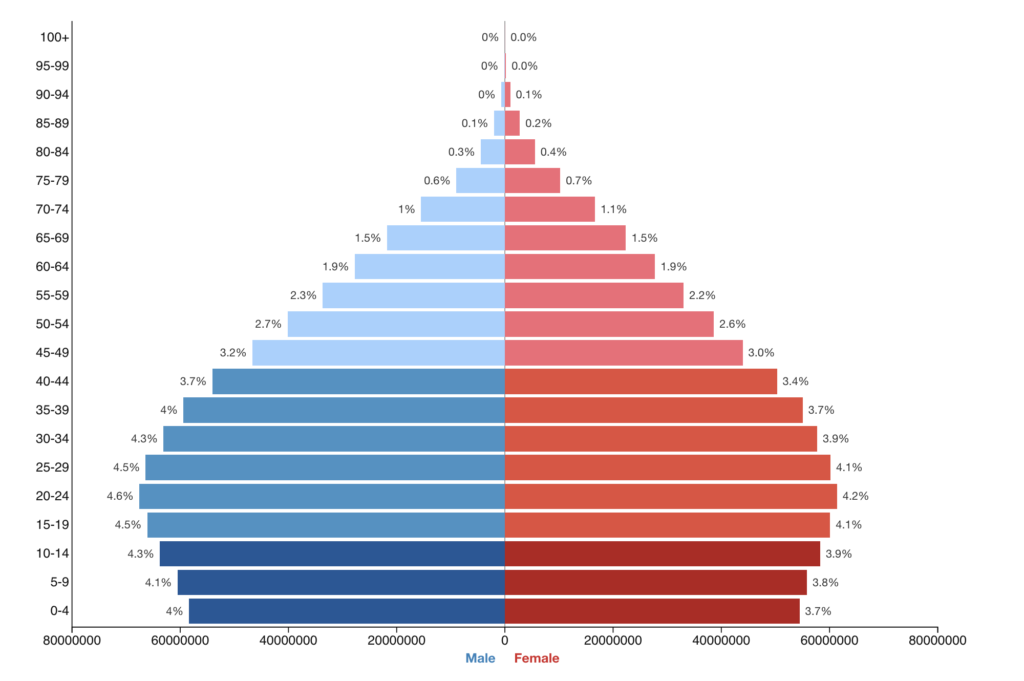
India is entering a population phase that will look very different from the rapid-growth decades of the past. The country is preparing for Census 2027, the first Indian census to be conducted digitally, while the demographic questions around fertility, migration, ageing and the future workforce are becoming increasingly important.
Why Census 2027 matters now
The Union government says Census 2027 will be conducted in two phases. The first phase, covering house listing and housing conditions, runs during 2026. Population Enumeration is scheduled for February 2027 for most of the country, while snow-bound areas are being enumerated earlier. The census will use mobile applications and will provide a self-enumeration option. Government of India details.
The previous national Census was conducted in 2011. That long gap means the next full population count will provide an unusually important update on how India has changed in the intervening years. The Office of the Registrar General and Census Commissioner confirms that the 2027 exercise is the country’s 16th Census and the eighth since Independence.
The number is only the beginning
Population size matters, but the more consequential story is the composition of the population. Census 2027 will collect information on demographic and socio-economic characteristics, migration and fertility. Caste enumeration is also planned in the second phase.
That information can help governments plan schools, hospitals, transport, housing, jobs and social programmes at a much more local level. The government says the new system is designed to make census data more quickly available in machine-readable form for policy use.
A demographic transition is underway
India’s population story is no longer simply about how many people the country has. Fertility, mortality, migration and age structure increasingly determine what the next phase looks like. A lower fertility environment can eventually reduce the pace of population growth while increasing the relative importance of older age groups and the need to sustain a productive workforce.
The official Sample Registration System continues to provide annual demographic indicators between census rounds, including birth rates, death rates, natural growth and fertility-related measures.
What to watch next
- How population growth has varied between states and districts.
- Changes in fertility and household size.
- Migration patterns and their effect on cities and labour markets.
- The balance between working-age people and older residents.
- How quickly the new digital census data becomes available for public policy.
TruthWave assessment: Census 2027 should be viewed as more than a population-counting exercise. It is an opportunity to establish a new demographic baseline for India after a 16-year gap since the 2011 Census. The most important outcome may not be the headline population number, but what the data reveals about where India’s people live, how families are changing, and how the country’s age and workforce structure is evolving.
Sources
Prime Minister’s Office: Census 2027 · Office of the Registrar General & Census Commissioner, India · Press Information Bureau · Sample Registration System
Leave a Reply